

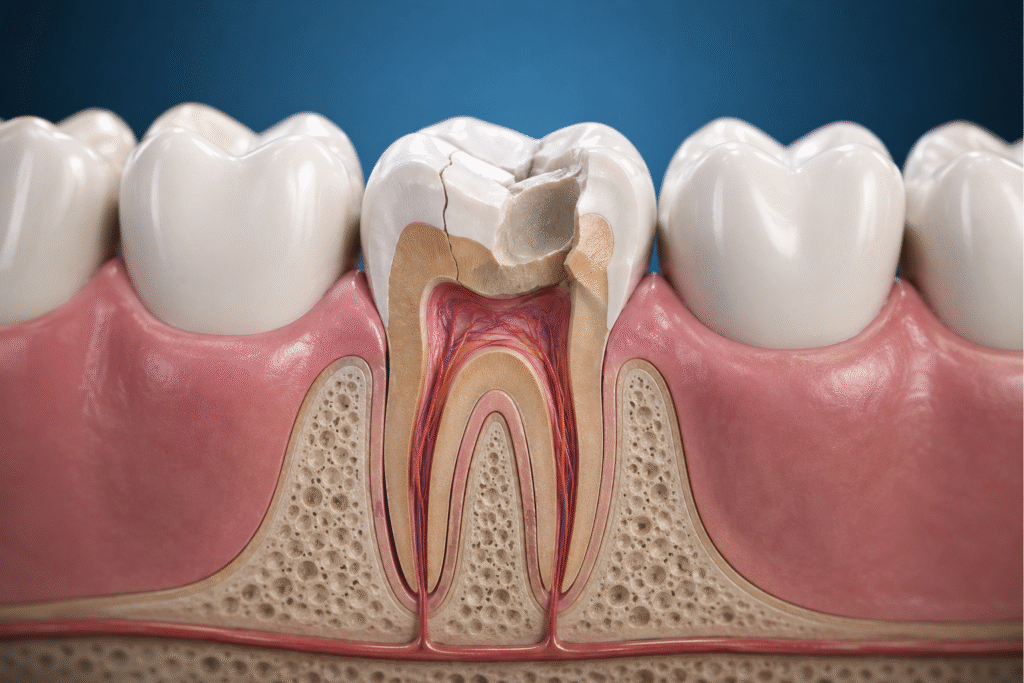
Root Canal Tooth Breaking Causes, Treatment, and Prevention
Root canal treatment is often necessary when a tooth becomes severely decayed or infected. While it can save your tooth from extraction, sometimes a root canal tooth breaking can occur if the tooth is weak or not properly protected. Understanding the causes, treatment options, and preventive measures can help you maintain a healthy smile.
What Is Root Canal Tooth Breaking?
A root canal tooth breaking refers to the fracture or damage of a tooth that has undergone a root canal procedure. During root canal treatment, the infected pulp is removed, and the inside of the tooth is cleaned and sealed. While this preserves the tooth structure, it can also make the tooth more brittle over time, increasing the risk of cracks or breaks, especially under pressure from chewing.
Common Causes of Root Canal Tooth Breaking
Several factors can contribute to a root canal tooth breaking:
- Weak Tooth Structure: Teeth that were already decayed or fractured before treatment may be more prone to breaking.
- Large Fillings or Cavities: Extensive fillings reduce the remaining natural tooth structure, making it susceptible to fractures.
- Trauma or Injury: Accidents, falls, or biting hard foods can stress a treated tooth.
- Incomplete Restoration: If a crown or protective restoration is not placed after a root canal, the tooth may be weaker.
- Bruxism (Teeth Grinding): Habitual grinding or clenching can cause cracks or breaks over time.
Symptoms of a Broken Root Canal Tooth
Identifying a broken tooth early can prevent further complications. Common signs include:
- Pain or sensitivity while chewing
- Visible cracks or fractures on the tooth
- Swelling around the gum near the treated tooth
- Difficulty biting or uneven bite pressure
If you notice any of these symptoms, it is important to consult your dentist immediately.
Treatment Options for Root Canal Tooth Breaking
The treatment for a root canal tooth breaking depends on the severity of the fracture:
1. Dental Crowns
A crown can protect a weakened tooth and restore its function. Crowns are often recommended for teeth that have undergone root canal therapy to prevent future fractures.
2. Dental Bonding
For minor chips or cracks, dental bonding using tooth-colored resin can restore the tooth’s appearance and strength.
3. Extraction and Replacement
In cases where the tooth is severely broken and cannot be saved, extraction may be necessary. Options for replacing a missing tooth include:
- Dental Implants: Permanent replacement that mimics natural teeth
- Bridges: Fixed dental prosthetics to fill the gap
- Partial Dentures: Removable replacements for multiple missing teeth
Prevention Tips for Root Canal Tooth Breaking
Preventing a root canal tooth from breaking involves proper care and attention:
- Use a Dental Crown: Always follow up root canal treatment with a crown for added protection.
- Avoid Hard Foods: Limit chewing on hard candies, ice, or nuts that can stress the tooth.
- Wear a Night Guard: If you grind your teeth at night, a custom night guard can protect your teeth.
- Practice Good Oral Hygiene: Brush and floss daily to maintain the strength and health of your remaining teeth.
- Regular Dental Checkups: Routine visits help your dentist monitor the treated tooth and address any issues early.
Why Choose First Care Dental for Root Canal Treatment
At First Care Dental, we specialize in comprehensive root canal treatments that prioritize tooth preservation and long-term strength. Our experienced dentists ensure:
- Accurate diagnosis and treatment planning
- Use of modern endodontic techniques
- Custom restorative solutions like crowns to prevent root canal tooth breaking
- Patient education for home care and prevention
When to Seek Professional Help
If you notice any pain, sensitivity, or visible damage in a treated tooth, it’s essential to contact us immediately. Early intervention can prevent further complications and help maintain your oral health.